What is CNC Machining
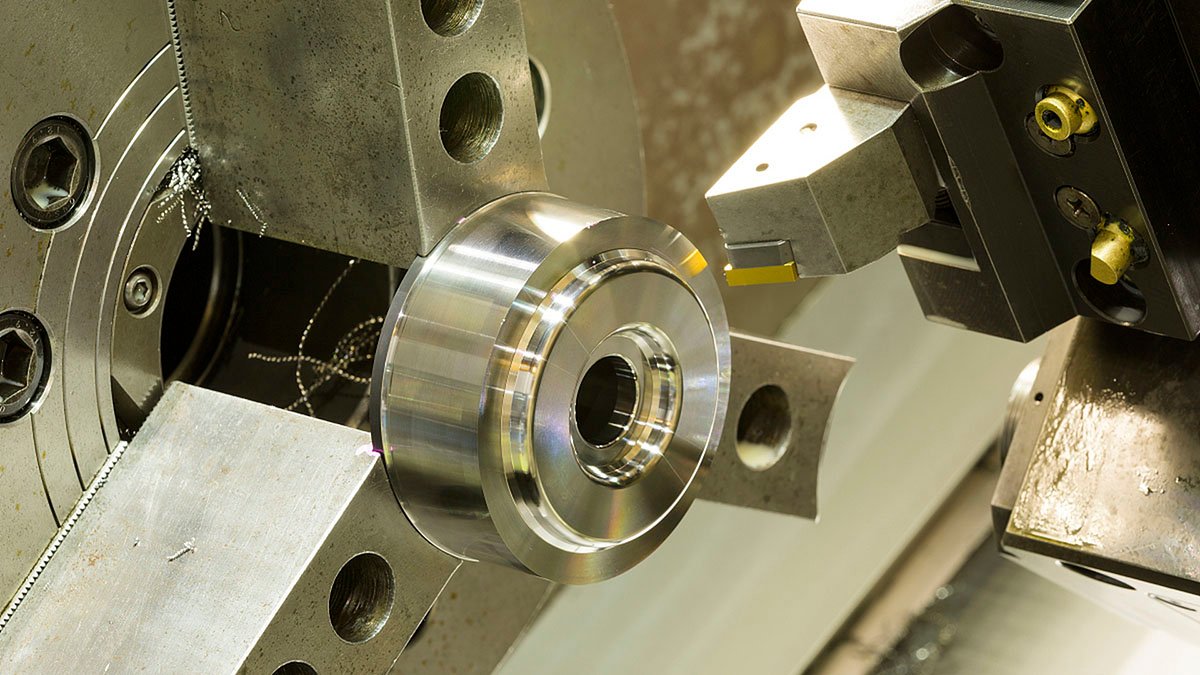
CNC uses computer-controlled cutting machines to shape metal automatically. Operators input precise digital drawings, and tools cut raw steel, titanium or alloy blanks with fixed, accurate paths, replacing manual carving.
CNC grew from early Numerical Control (NC) born in the late 1940s. The US Air Force funded engineer John Parsons and MIT to solve precision aerospace part production needs. In 1952, MIT unveiled the world’s first NC milling machine, programmed with punched paper tape and vacuum tube circuits.
From the 1950s to 1960s, NC upgraded from vacuum tubes to transistors and small integrated circuits, yet relied on rigid hardware logic. The real shift to modern CNC arrived in the early 1970s, when microprocessors replaced bulky hardware; computer software took over machine control, boosting flexibility and accuracy massively.
The 1980s brought CAD/CAM integration and multi-axis machines. Today high-precision 5-axis CNC equipment delivers ultra-tight tolerances, ideal for crafting flawless titanium and steel watch cases with consistent, refined finishes for luxury timepieces.
Impacts on Watch Case Quality
- High precision: Tiny tolerance ensures tight fits for movements, straps and waterproof gaskets, preventing water leakage.
- Uniform shapes: Every case shares identical size and curves, consistent for mass custom orders.
- Smooth base texture: Minimal rough tool marks, easier to deliver premium polish, brushed or matte finishes.
- Stable structure: Precise internal cavity cutting avoids weak spots, boosting durability against drops and daily wear.